The Legend of Ogopogo: How Folklore Became a Story of Friendship

Legends have always been a way for people to explain the unknown. They protect, warn, and inspire. The legend of Ogopogo is one of the most famous stories in Canadian folklore. For generations, people have spoken about a mysterious creature said to live in Okanagan Lake. Often described as dangerous or frightening, the legend has captured imaginations for over a century.

But legends change with time. In Can We Be Friends?, Ogopogo is reimagined not as a monster, but as a gentle protector of the lake. This book about the legend of Ogopogo transforms fear into compassion and teaches children that what we do not understand does not need to be feared.

Where the Legend Comes From

The Ogopogo legend originates from Indigenous oral histories and later settler accounts of a mysterious lake creature. Over time, the story grew, changing with each retelling. What began as a spiritual symbol of water protection became a creature of mystery and fear.

For many, Ogopogo represented danger. But legends often reflect the emotions of the people who tell them. Fear of the unknown can turn something sacred into something threatening.

Rewriting the Legend for Children

In Can We Be Friends?, Ogopogo — known as Oggy — is not a monster. He is misunderstood. He is kind, patient, and deeply connected to the lake he protects.

This new version teaches children that:

  • Legends can change
  • Fear can be replaced with understanding
  • Nature deserves respect

This approach allows the story to serve as both entertainment and education.

Oggy as a Symbol of Environmental Respect

Oggy is the spirit of the lake. He represents the importance of preserving water and land. Through his friendship with Benny, children learn that caring for nature is part of caring for each other.

This subtle lesson helps children understand environmental responsibility in a gentle, meaningful way.

From Fear to Friendship

At first, Benny is afraid of Oggy. This reflects how people often react to legends. But when Benny listens and learns, his fear disappears. This transformation shows children that understanding changes everything.

Why Legends Matter in Children’s Stories

Legends connect the past to the present. They help children:

  • Understand cultural history
  • Learn respect for nature
  • Explore imagination safely

A book about the legend of Ogopogo allows children to see that stories can evolve and carry positive messages.

A Legend with Heart

Oggy is no longer just a creature in the lake. He is a friend, a protector, and a symbol of kindness. Through him, children learn that legends are not meant to scare — they are meant to teach.

Books for Kids About Being Different: Building Confidence Through Stories

Feeling different is one of the earliest emotional experiences children face. It often begins quietly — a child notices they look different, sound different, or act differently than their peers. At first, it may feel small, but over time those feelings can grow into self-doubt, fear, or isolation. This is why books for kids about being different are so important. They help children understand that uniqueness is not something to hide, but something to celebrate.

In Can We Be Friends? by Kari Streleoff, both Benny the little brown bat and Oggy the legendary Ogopogo feel different in their own ways. Benny believes he is ugly and unwanted. Oggy is feared because of the legend surrounding him. Neither character truly feels accepted at the beginning of the story. Through their unlikely friendship, children learn that being different does not make them unworthy of love or connection.

Why Children Feel Different

Children naturally compare themselves to others. Even at a young age, they notice who looks similar and who stands out. When a child feels they do not fit into the group, it can affect how they see themselves.

Some children feel different because of:

  • Their appearance
  • Their personality
  • Their interests
  • Where they come from
  • How they learn or communicate

Without guidance, children may believe that being different means they are “less than.” A meaningful children’s book about acceptance helps them understand that everyone is unique and that difference is normal.

Benny’s Emotional Struggle

Benny expresses a fear many children carry silently: “Nobody likes me.” He believes people see him as ugly. This line is powerful because it reflects a real emotional experience. Children who read this moment recognize themselves in Benny.

He assumes that others will reject him before they even get to know him. This mirrors how children sometimes protect themselves from getting hurt. They stop trying because they expect failure. Benny’s insecurity is not weakness — it is honesty.

Oggy’s Strength in Self-Acceptance

Oggy, on the other hand, represents quiet confidence. He knows he is different. He does not hide it, and he does not apologize for it. Instead, he calmly explains who he is, what he can do, and how he lives.

Oggy shows children that confidence comes from accepting yourself first. His patience and kindness help Benny feel safe. This teaches children that when they accept themselves, they create space for others to accept them too.

How Stories Create Emotional Safety

Children may not always feel comfortable talking about their feelings directly. Stories allow them to explore those emotions safely. When a child reads about a character who feels rejected or lonely, they realize they are not alone.

This is why books for kids about being different are powerful tools for emotional growth. They:

  • Validate children’s feelings
  • Encourage self-expression
  • Build empathy
  • Strengthen emotional resilience

Through storytelling, children practice handling emotions in a safe environment.

The Role of Kindness in Friendship

When Benny and Oggy stop judging each other, something changes. Their kindness opens the door to connection. They laugh, talk, and learn from one another.

This moment teaches children that kindness is not passive — it is an action. A simple act of understanding can transform fear into friendship.

This is why stories like this are also powerful children’s books about kindness. They show children how small moments of compassion can create meaningful change.

Helping Children Build Confidence Through Stories

When children see characters grow and change, they believe they can too. They learn:

  • They deserve friendship
  • Their voice matters
  • Their differences are strengths

This emotional growth builds confidence that carries into real life.

Why These Stories Matter

Every child deserves to feel valued. Through Benny and Oggy, children learn that being different is not something to hide. It is something to celebrate.

Books for kids about being different give children the courage to be themselves and the kindness to accept others.

Why Animal Characters Teach Kids Friendship Better Than Human Stories

There is something timeless and magical about a children’s book with animal characters. Long before children can fully understand complex emotions, they connect deeply with animals in stories. A bat, a dragon, or a legendary lake creature feels safer than a real person. Children can explore fear, kindness, and friendship without feeling judged.

In Can We Be Friends?, Benny the little brown bat and Oggy the legendary Ogopogo form an unlikely friendship. Their relationship feels honest and emotional, yet light enough for children to engage without feeling overwhelmed. This is the power of animal storytelling.

Why Children Trust Animal Characters

Children naturally connect with animals because animals feel neutral. They are not tied to social labels or expectations. A book with animals and friendship allows children to explore feelings freely.

Animals also reflect emotions in a simple way. Benny’s fear, Oggy’s loneliness, and their shared laughter feel pure and relatable. Children project their own feelings onto these characters, which makes the lessons feel personal.

How Fantasy Removes Fear

Fantasy removes real-world pressure. A bat and a lake legend would never meet in real life, but in a story, anything is possible. This gives children permission to imagine friendships beyond their comfort zones.

This emotional safety helps children practice empathy without fear of rejection.

Why Animal Stories Are Perfect for Young Readers

Young children learn through play and imagination. A children’s book with animal characters keeps them engaged while gently teaching social values.

Animal stories are memorable, comforting, and emotionally accessible — making them perfect tools for learning about friendship.

Benny and Oggy’s Emotional Journey

Their story shows children how to:

  • Overcome fear
  • Ask questions
  • Laugh together
  • Respect differences

This is why animal stories create deeper emotional understanding.

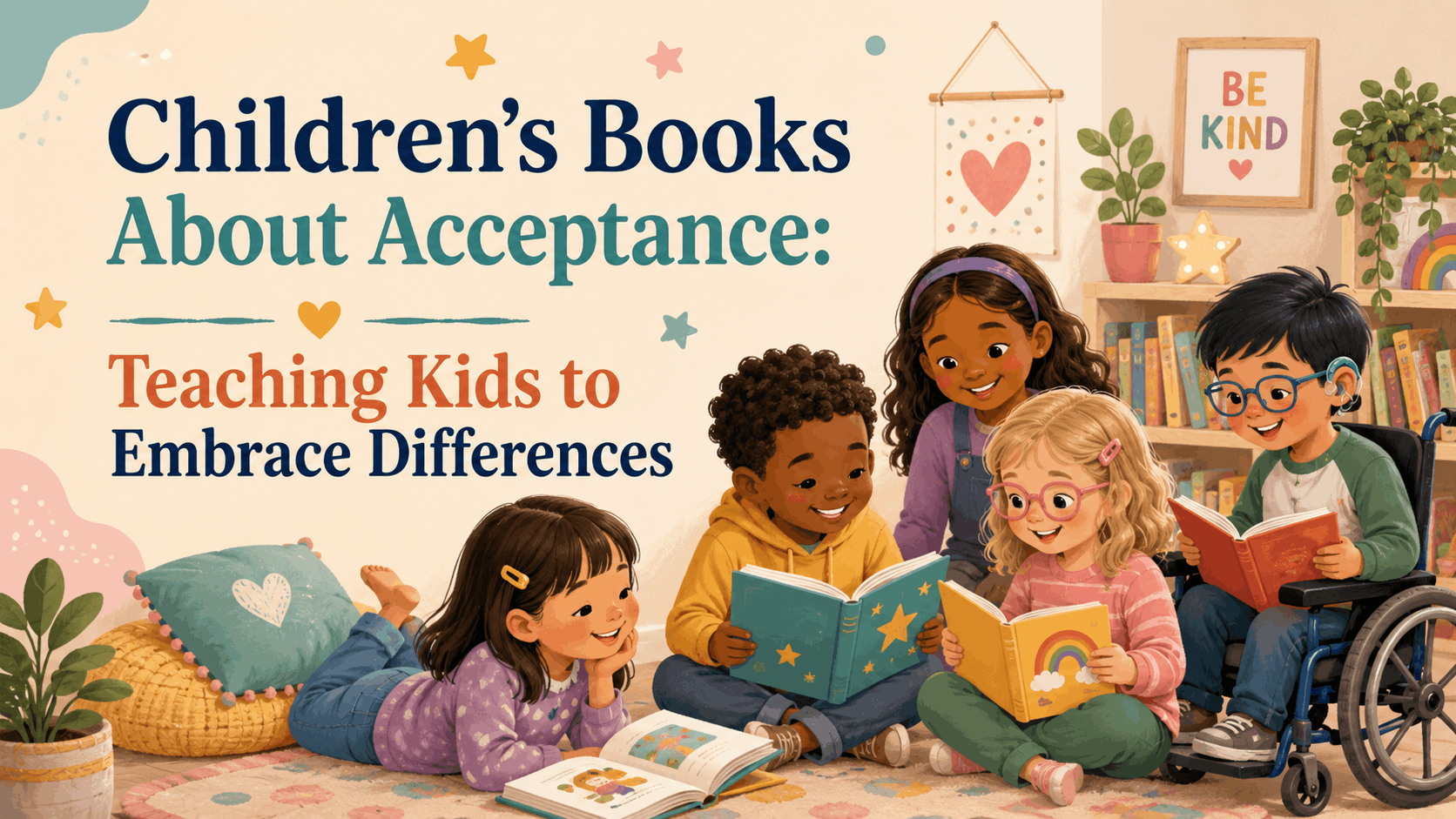
Children’s Books About Acceptance: Teaching Kids to Embrace Differences

Children notice differences long before they understand what those differences mean. A child may see someone who looks, talks, or behaves differently and feel unsure, even uncomfortable. Without guidance, that uncertainty can turn into fear or exclusion. This is why a strong children’s book about acceptance plays such an important role in early emotional development.

In Can We Be Friends? by Kari Streleoff, Benny the bat and Oggy the Ogopogo begin their relationship from a place of misunderstanding. Benny is afraid of Oggy because he looks strange and powerful. Oggy knows people often fear him because he is a legend. Both expect rejection before it even happens. But through honest conversation and kindness, they discover that difference does not mean danger.

This story gently shows children that acceptance begins with curiosity, not judgment.

Why Acceptance Is a Core Life Skill

Children grow up in diverse environments. They meet people with different backgrounds, personalities, and abilities. Learning how to respond with empathy is essential for healthy relationships.

Books for kids about being different help children:

  • Feel safe around new people
  • Understand that uniqueness is valuable
  • Develop empathy
  • Learn to respect others

When children see characters who struggle with being accepted, they recognize those feelings within themselves.

Benny’s Fear and Oggy’s Patience

Benny believes Oggy is dangerous because he is large, green, and legendary. He assumes the worst before learning the truth. This reflects how children often respond when faced with something unfamiliar.

Oggy does not respond with anger. He explains who he is, what he eats, and where he lives. His calmness teaches that patience opens the door to understanding.

This interaction shows children how to replace fear with listening — a vital emotional lesson.

How Stories Teach Kindness

A meaningful children’s book about kindness shows that being gentle and open-hearted changes outcomes. Benny’s perspective shifts once he listens. His fear fades, replaced by curiosity and laughter.

This transformation models how children can grow emotionally through compassion.

Helping Kids Embrace Their Own Differences

Benny feels “ugly.” Oggy feels misunderstood. Both believe they are unwanted. Many children experience similar self-doubt.

Stories like this help children realize:

  • Being different is not wrong
  • Everyone has unique strengths
  • Friendship begins with self-acceptance

This emotional validation builds confidence.

Why Acceptance Stories Belong in Every Home and Classroom

When children grow up surrounded by stories about empathy, they become more compassionate adults. A powerful children’s book about acceptance teaches values that last a lifetime.

Through Benny and Oggy, children learn that kindness can transform fear into friendship — and that everyone deserves to be seen and valued.

Children’s Books About Friendship: Why Stories Like Oggy & Benny Matter

Why Every Child Needs a Children’s Book About Friendship

Friendship is one of the first emotional needs children experience, yet it is also one of the most confusing parts of growing up. Learning how to make friends, how to trust others, and how to handle rejection or difference takes time, patience, and guidance. This is why a powerful children’s book about friendship can make such a lasting impact on a child’s life.

In Can We Be Friends? by Kari Streleoff, young readers meet Benny, a little brown bat, and Oggy, the legendary Ogopogo. Their first meeting is awkward, emotional, and filled with fear and misunderstanding. Benny believes Oggy will hurt him. Oggy believes Benny won’t accept him. Yet, through conversation, humor, and shared experiences, the two discover something beautiful: friendship does not require sameness. It requires understanding.

This story is not just entertaining—it is emotionally educational. It speaks to children who feel lonely, different, or unsure about where they belong, making it a memorable kids friendship book for families and classrooms alike.

Why Friendship Stories Matter in Early Childhood

Children begin forming social bonds as early as preschool. But at that age, emotions are often felt before they can be explained. A child may feel excluded, unwanted, or confused when a friend stops playing with them, yet they may not know how to express that pain.

This is where books about friendship for kids play an important role. Through storytelling, children learn that:

  • Feeling lonely is normal.
  • It is okay to be afraid of new people.
  • Differences do not make someone unworthy.
  • Friendship takes patience and effort.

When children read about characters who experience similar emotions, they feel seen. That connection helps them develop empathy—both for themselves and for others.

Benny and Oggy: A Reflection of Real Childhood Emotions

Benny is small, nervous, and unsure of himself. He believes he is “ugly” and assumes others will not like him. Oggy, on the other hand, is a misunderstood legend. People fear him without truly knowing who he is. Both characters feel alone in different ways.

This dynamic mirrors what many children experience. Some feel invisible. Others feel judged. Many feel they must hide who they truly are to be accepted. A meaningful book about friendship for kids shows that these feelings are shared and that genuine connection is possible.

When Benny and Oggy finally laugh together about worms, something changes. Their shared joy becomes the bridge that connects them. This moment teaches children that friendship often begins with something small: a laugh, a kind word, or a shared interest.

What Makes Can We Be Friends? One of the Best Children’s Books About Friendship

Many friendship stories focus on characters who are already similar. They attend the same school, live in the same neighborhood, or look alike. Can We Be Friends? breaks that pattern.

Benny and Oggy are different in every possible way:

  • One flies, one swims.
  • One is small, one is massive.
  • One is real, one is legendary.

Yet, they discover that what truly matters is not how they look or where they come from, but how they treat one another. This powerful message is why the story stands among the best children’s books about friendship for supporting emotional growth and social development.

It gently teaches children that they do not need to change themselves to be loved—they only need to be open to others.

How Friendship Stories Build Emotional Intelligence

Emotional intelligence begins in childhood. It includes:

  • Recognizing feelings.
  • Understanding others’ emotions.
  • Responding with kindness.

A strong children’s book about friendship encourages children to reflect on their own emotions and the feelings of others. When Benny expresses fear or sadness, young readers recognize those emotions in themselves. When Oggy responds with patience instead of anger, children learn how to handle conflict with empathy.

These lessons carry into real life. Children who regularly read friendship stories for children often develop stronger communication skills, greater empathy, and healthier relationships.

Using Friendship Books to Start Meaningful Conversations

After reading a story like Can We Be Friends?, parents and educators can ask thoughtful questions such as:

  • Have you ever felt like Benny?
  • Have you ever met someone who was different from you?
  • What helped Benny and Oggy become friends?

These conversations transform the story into more than entertainment. They make it a valuable educational resource that encourages children to think, share, and express their emotions with confidence.

Why Every Child Needs Stories Like This

Childhood is filled with emotional firsts: first friendships, first conflicts, and first feelings of not belonging. Without guidance, these moments can feel overwhelming.

This is why books about friendship for kids are much more than simple stories. They serve as emotional roadmaps that teach children they are not alone, kindness matters, and true friendship is built on trust, respect, and understanding.

In the end, Can We Be Friends? is not just about a bat and a legendary lake creature. It is about every child who has ever wondered if they belong. And the answer, as Benny discovers, is yes.

Conclusion

If you’re looking for a heartfelt children’s book about friendship that encourages empathy, acceptance, and emotional resilience, Can We Be Friends? by Kari Streleoff is an excellent choice. Its memorable characters and meaningful lessons make it one of the best children’s books about friendship for young readers, parents, educators, and anyone who wants to help children build lasting, healthy relationships.

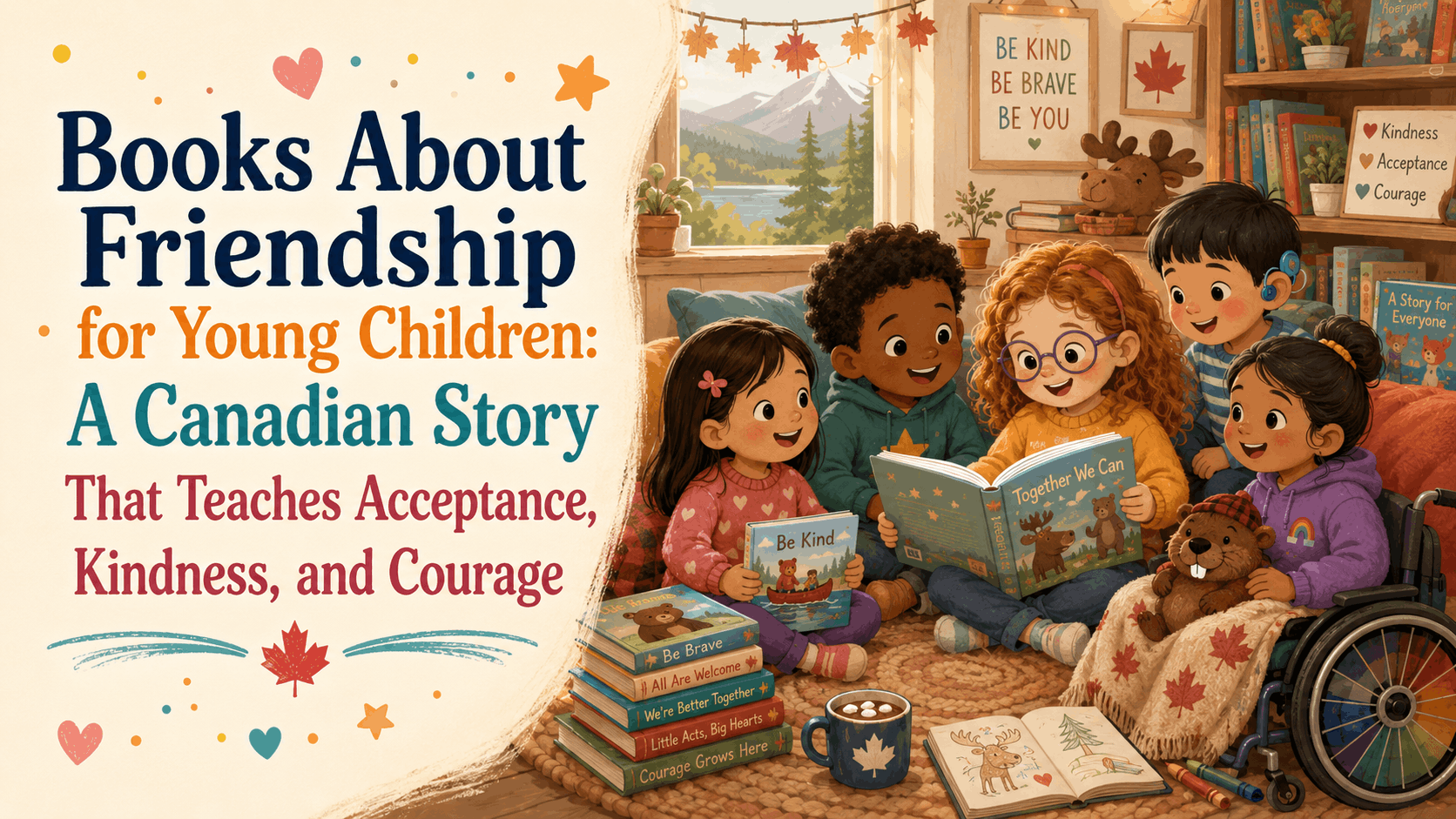
Books About Friendship for Young Children: A Canadian Story That Teaches Acceptance, Kindness, and Courage

When parents and teachers search for Books About Friendship for Young Children, they are looking for more than just an entertaining bedtime story. They want a meaningful children’s book about friendship that helps kids understand emotions, build empathy, and learn how to navigate the social world around them.
Friendship is one of the earliest and most important lessons children encounter. In kindergarten and Grade 1 classrooms across Canada, children begin learning:
✔ How to share
✔ How to handle disagreements
✔ How to include others
✔ How to understand feelings
✔ How to be kind even when it is difficult
These lessons shape emotional intelligence and social development. That is exactly why the right book about friendship for kids can have such a lasting impact.
One Canadian story that beautifully explores these ideas is Can We Be Friends? — a book rooted in the Okanagan Valley that blends legend, wildlife, and emotional growth into a powerful lesson about acceptance and courage.
Let’s explore why this story deserves a place among the best childrens books about friendship in Canada and how it helps young readers understand the true meaning of connection.
Why Books About Friendship for Young Children Matter So Much
Children are still learning how the world works. They do not automatically understand social rules, emotional boundaries, or the complexity of human relationships.
A well-written children’s book about friendship helps bridge that gap by teaching lessons in a safe and engaging way.
Young readers are still figuring out:
✔ What makes someone a friend
✔ How to handle rejection
✔ How to respond when someone is different
✔ Why kindness matters
✔ How to manage feelings of loneliness
A meaningful book about friendship for kids does more than entertain. It gives children the language to describe emotions they might not yet understand.
For example, a child might feel left out but not know how to explain it. A children’s book about acceptance can introduce concepts like inclusion and empathy in a way that feels relatable.
In Canadian classrooms, social-emotional learning (SEL) plays a major role in early education. Teachers actively search for books about friendship for kids that:
✔ Encourage empathy
✔ Promote inclusion
✔ Model respectful communication
✔ Address differences in a gentle way
The best stories do not lecture. They show emotional growth through characters and experiences.
That is where this Canadian story shines.
A Children’s Book About Friendship Set Right Here in Canada
Unlike generic friendship stories, this one is deeply connected to a uniquely Canadian setting — the Okanagan Valley.
For children and families in British Columbia and across Canada, stories that reflect familiar places and cultural legends feel special. Kids recognize the landscapes and wildlife being described, which strengthens engagement and understanding.
The story introduces:
✔ Benny — a small brown bat
✔ Oggy — a legendary lake creature inspired by Ogopogo
Ogopogo is based on Canadian legend and tied to Okanagan Lake, often called Na-ha-it-koo in Indigenous traditions. This connection adds cultural depth to the story, giving young readers an introduction to Canadian folklore while exploring themes of friendship and acceptance.
For families searching for a children’s book about friendship that reflects Canadian identity, this story offers something meaningful.
Children love stories that feel close to home. When a book takes place in recognizable landscapes or references local legends, it becomes more than entertainment — it becomes a learning experience.
That sense of connection makes it one of the most engaging books about friendship for young children available today.
What Makes This One of the Best Children’s Books About Friendship?
Not all childrens books about friendship are created equal. The best stories go beyond simple moral lessons and encourage emotional reflection.
This Canadian tale does exactly that by exploring key ideas about difference and understanding.
1. It Tackles Feeling “Different”
Many children worry about being different. They compare themselves to others and wonder if differences make friendship impossible.
Benny, the bat in the story, feels this way. He believes he and Oggy cannot be friends because:
✔ He flies, Oggy swims
✔ He has fur, Oggy has scales
✔ He looks different
✔ People are afraid of him
These concerns mirror real emotions children experience.
Young readers often notice differences in appearance, abilities, or interests. A strong children’s book about being different helps them understand that differences do not prevent friendship.
Instead of shaming Benny for his fears, the story allows him to grow and learn through experience.
That emotional arc is powerful. It teaches children that uncertainty is normal — but it can be overcome.
For parents searching for books for kids about being different, this story provides a thoughtful and age-appropriate lesson.
2. It Teaches Acceptance Without Preaching
Some books about friendship for young children try to force lessons in ways that feel heavy-handed. Children respond better to stories that show ideas naturally rather than lecturing.
Acceptance in this story develops through character actions.
Oggy models:
✔ Patience
✔ Emotional intelligence
✔ Curiosity
✔ Gentle humour
Even when Benny reacts with frustration, Oggy remains calm and kind.
This approach demonstrates that friendship and acceptance are built over time. It does not demand perfection — it encourages understanding.
For Canadian educators searching for a children’s book about acceptance that supports classroom discussions, this story provides a subtle but meaningful lesson.
Teachers can use it to start conversations about:
✔ Why people fear differences
✔ How to approach new friendships
✔ What kindness looks like
✔ How empathy changes relationships
Because the lessons arise naturally from the story, children are more likely to internalize them.
3. It Shows Kindness in Action
Kindness is not just a word. It is a choice and an action.
This children’s book about kindness demonstrates that principle through meaningful moments:
✔ Oggy saves Benny from danger
✔ He offers reassurance
✔ He shares a song to lift spirits
✔ He provides sunglasses so Benny can explore
That final gesture symbolizes understanding. Oggy meets Benny where he is and helps him feel safe.
For parents searching for a children’s book about kindness that teaches empathy, this story delivers a clear and memorable example.
Young readers learn that kindness often involves small actions that make others feel valued.
This lesson is especially important in early childhood, when children are developing social skills and emotional awareness.
4. It Uses Animal Characters Kids Connect To
Children naturally gravitate toward animal characters in stories. Animals provide emotional distance that makes difficult topics easier to explore.
A children’s book with animal characters allows kids to:
✔ Reflect on feelings
✔ Discuss differences
✔ Learn empathy
✔ Engage with the story
Because the characters are animals, emotional lessons feel safer and more approachable.
Benny the bat and Oggy the legendary lake creature become symbols of difference and understanding.
Kids can explore ideas about friendship without feeling overwhelmed by direct comparisons to their own experiences.
That is why animal-themed books about friendship for kids remain popular in early education.
They provide emotional lessons in a format children enjoy and understand.
More Than Friendship: A Story About Being Different
Many parents search for books for kids about being different because they want stories that validate children’s emotions.
This Canadian tale handles the topic with care.
Benny compares himself to Oggy:
✔ “I fly, you swim.”
✔ “I am small, you are large.”
These comparisons reflect real thoughts children have. Young readers often notice differences and wonder what they mean.
Instead of suggesting differences are bad, the story reframes them.
Oggy responds by explaining that he is special too.
The message is clear:
✔ Differences do not prevent friendship
✔ Everyone has unique qualities
✔ Kindness creates connection
This nuance makes the story stand out among other children’s books about friendship that oversimplify emotional growth.
Children learn that acceptance does not require sameness. It requires understanding.
That lesson remains valuable long after the final page.
The Legend of Ogopogo Adds Cultural Depth
For Canadian families, stories connected to local legend and geography feel meaningful.
Ogopogo is a well-known Canadian legend tied to Okanagan Lake. Some traditions describe it as a spirit of the water, while modern interpretations treat it as folklore.
By incorporating this legend, the book introduces young readers to:
✔ Canadian cultural stories
✔ Indigenous traditions
✔ Environmental appreciation
✔ Creative imagination
This layered approach makes it more than a simple friendship story.
It becomes a gateway to learning about Canadian heritage and the natural world.
Parents searching for a children’s book about friendship that also introduces cultural ideas will find value in this approach.
Stories that reflect local identity help children feel connected to their surroundings and traditions.
Why Canadian Classrooms Connect With This Story
Teachers across Canada actively look for stories that support social-emotional learning.
A strong children’s book about acceptance helps classroom discussions about:
✔ Inclusion
✔ Empathy
✔ Respect
✔ Difference
This story aligns with those goals.
Educators can use it to explore questions such as:
✔ Why do people fear what they do not understand?
✔ How can we approach new friendships?
✔ What does kindness look like in action?
✔ How can differences enrich our communities?
Because the lessons are embedded in the narrative, children engage with them naturally.
The story does not feel like a lecture. It feels like discovery.
That is why Canadian classrooms embrace books about friendship for young children that prioritize emotional growth.
A Meaningful Canadian Book About Friendship for Kids
If you are searching for:
✔ A children’s book about friendship
✔ One of the best childrens books about friendship in Canada
✔ A book about friendship for kids that explores acceptance
✔ Books about friendship for kids with animal characters
✔ A children’s book about kindness and difference
This Canadian story offers something deeper than surface-level lessons.
It reminds young readers that:
✔ Differences are opportunities
✔ Kindness builds understanding
✔ Friendship grows through patience
✔ Acceptance creates connection
Sometimes, the path to friendship begins with curiosity and empathy.
And as the story suggests, it might also begin with a pair of red sunglasses and a willingness to see the world from someone else’s perspective.
For parents and educators seeking meaningful books about friendship for young children, this story remains a valuable and thoughtful choice.